Losing Hair in Your 20s? Here’s Why It Happens Sooner Than You Think
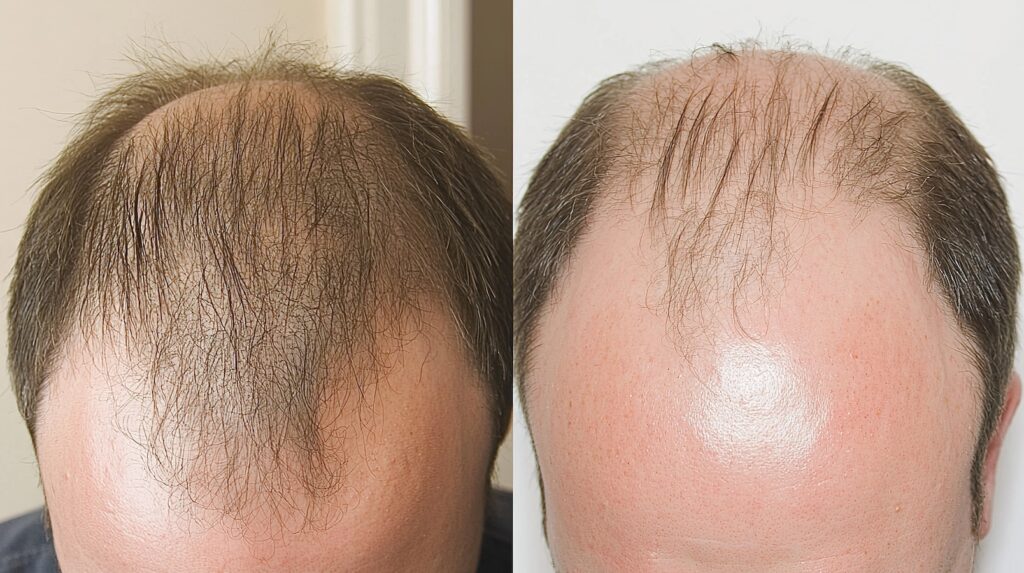
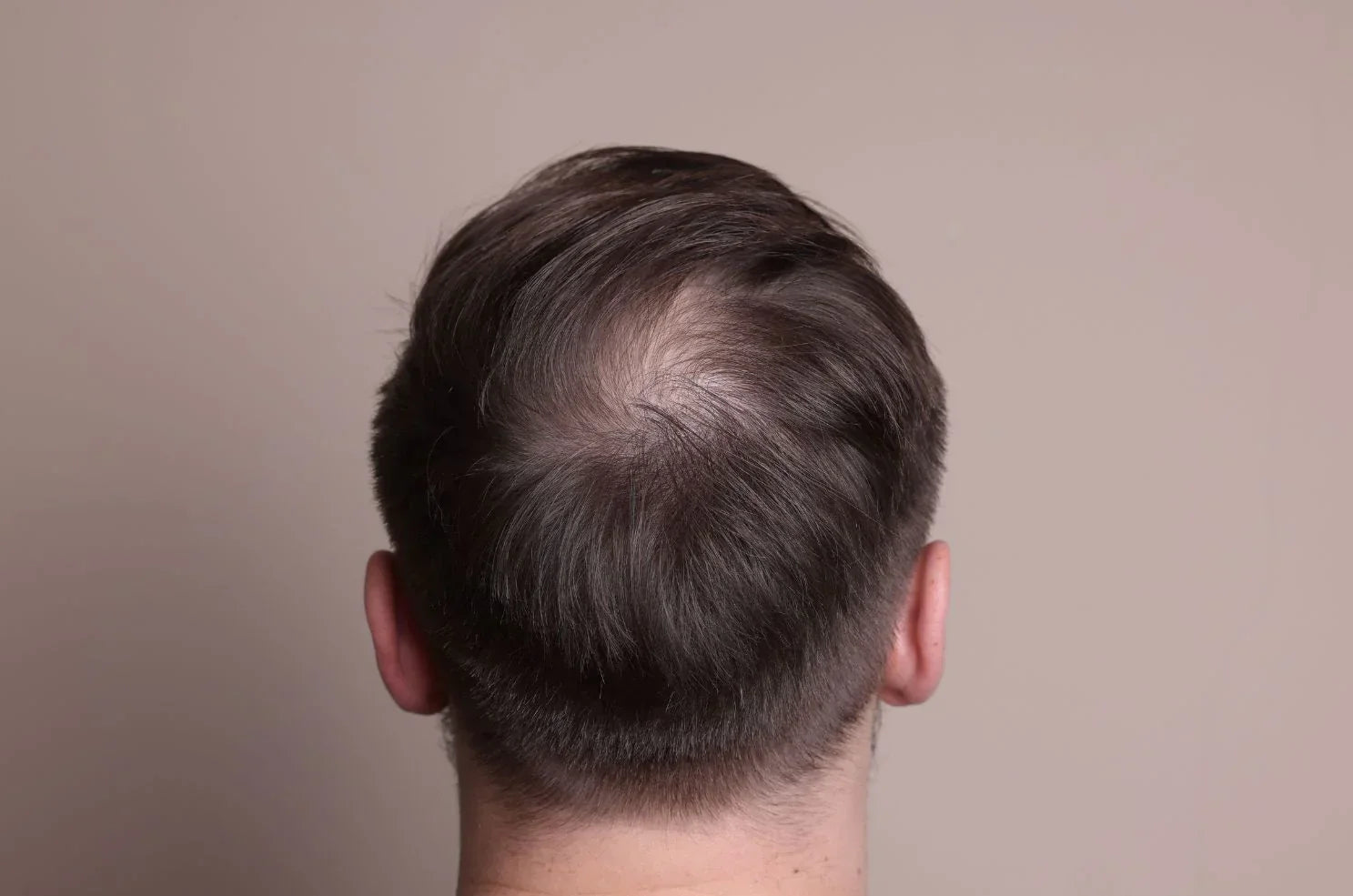
Most men associate hair loss with middle age. We often picture it as a concern for the 40s or 50s. This common assumption makes noticing a receding hairline or thinning crown in your early 20s feel confusing and alarming. It disrupts the timeline we expect for aging. However, trichologists know that early onset hair loss is biologically normal for many men and is rarely a sudden accident.
Genetic Sensitivity Activates Early
The primary cause of male hair loss is Androgenetic Alopecia. This is not strictly an old age condition. It is a genetic trait determined by your follicle sensitivity to androgens like Dihydrotestosterone (DHT).
This genetic clock does not wait until you are older. For men with high sensitivity, the process begins shortly after puberty when adult hormone levels stabilize. The biological mechanism of thinning can activate as early as 18 or 19 years old. If your genetic code predisposes you to sensitivity, your follicles begin to react to DHT immediately after this hormonal shift. This means the thinning process is often well underway by the time you reach 25.
Lifestyle Factors That Accelerate the Process
Genetics set the foundation, but lifestyle often dictates the speed of progression. Your 20s are typically a period of high stress, irregular sleep, and nutritional gaps.
Chronic stress raises cortisol levels. High cortisol can prematurely push hair follicles out of the growth phase. When you combine this with a diet lacking essential proteins or iron, you weaken the hair shaft. These factors act as an accelerant for genetic thinning. They force hair to shed faster than your body can naturally recover it.
Follicle Changes vs Visible Baldness
A major misconception is that hair loss starts with a bald spot. In your 20s, the process is actually follicle miniaturization.
Before a hair follicle stops producing hair, it shrinks. The strand it produces becomes thinner, shorter, and more brittle with each growth cycle. You might not see a bald patch immediately. Instead, you will notice a lack of volume or that your scalp is visible under bright lights. This distinction is vital. The follicle is not dead yet, but it is struggling to sustain a healthy hair shaft.
Why Scalp Focused Formulations Are Critical
Because the issue is miniaturization rather than total loss, early intervention must focus on the scalp environment. Standard shampoos clean the hair fiber, but they do not address the root cause in the dermis.
Experts discuss scalp focused formulations in these early stages because the goal is to penetrate the follicle. You need to extend the Anagen (growth) phase and delay the Telogen (shedding) phase. Supporting the scalp provides the nutrients and conditions necessary to keep the follicle from shrinking further.
How Anagrow Helps
When you are fighting genetic sensitivity and lifestyle stress, you need a targeted solution. Anagrow is designed to address hair thinning by utilizing plant stem cell technology derived from Swiss green apples, pea sprouts & argan tree.
This formulation works to rebalance the hair growth cycle. By targeting the hair root, Anagrow helps restore vitality to the follicle and prolongs the life of the hair strand. For men in their 20s, it serves as a crucial defense against miniaturization. It helps maintain density and keeps the hair in the growth phase longer to prevent premature thinning.